Available at
Bhubaneswar & Bangalore

Milk: The Good, The Bad & The Creamy Truth

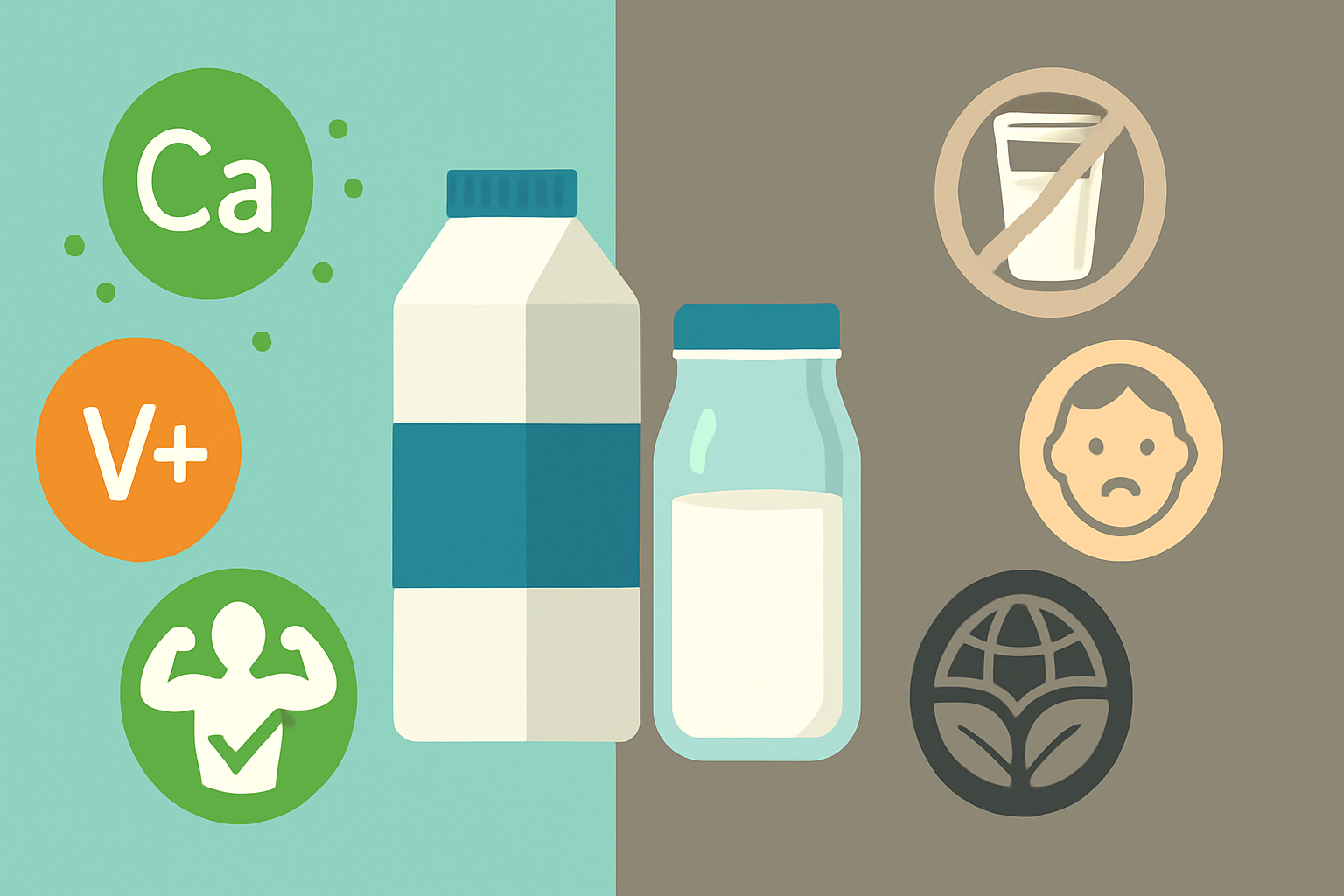
Milk has been part of human diets for thousands of years, often celebrated as a “complete food.” Whether it’s in your morning coffee, a glass before bed, or a creamy dessert, milk is loved by many. But is it all good news in that glass? Let’s break down the advantages and disadvantages of milk so you can decide whether it deserves a place in your daily diet.
Advantages of Milk 🥛
1. Rich Source of Nutrients
Milk is packed with calcium, vitamin D, protein, potassium, and phosphorus – all essential for bone health, muscle strength, and overall well-being.
2. Strengthens Bones & Teeth
Thanks to its high calcium and vitamin D content, milk helps prevent osteoporosis and keeps your teeth strong.
3. Boosts Muscle Growth & Repair
The protein in milk is high-quality and supports muscle repair after exercise, making it popular among athletes.
4. Good for Hydration
Milk contains a high percentage of water along with electrolytes, making it a natural hydrating drink.
5. Supports Weight Management
When consumed in moderation, milk can keep you feeling full, helping control unnecessary snacking.
Disadvantages of Milk ⚠️
1. Lactose Intolerance
Many people can’t digest lactose (the sugar in milk), leading to bloating, gas, and stomach discomfort.
2. Allergies
Cow’s milk allergy is common in children and can cause symptoms ranging from rashes to breathing difficulties.
3. Possible Hormone & Antibiotic Exposure
Some commercially produced milk may contain traces of hormones or antibiotics used in dairy farming, which can concern some consumers.
4. High Saturated Fat Content
Whole milk contains saturated fats that may raise cholesterol levels if consumed excessively.
5. Ethical & Environmental Concerns
Dairy farming has environmental impacts (water usage, methane emissions) and animal welfare considerations.
Final Thoughts 💡
Milk is undeniably nutritious and beneficial for many, but it’s not suitable for everyone. If you enjoy milk and digest it well, it can be a healthy part of your diet. However, if you have lactose intolerance, allergies, or ethical concerns, there are plenty of plant-based alternatives like almond, soy, or oat milk.
As with most foods – moderation is key. Your body will tell you whether milk is a friend or foe.